
Family Fitness That Sticks: Turning Walks, Backyard Play and Screen‑Free Moments into a Shared Routine
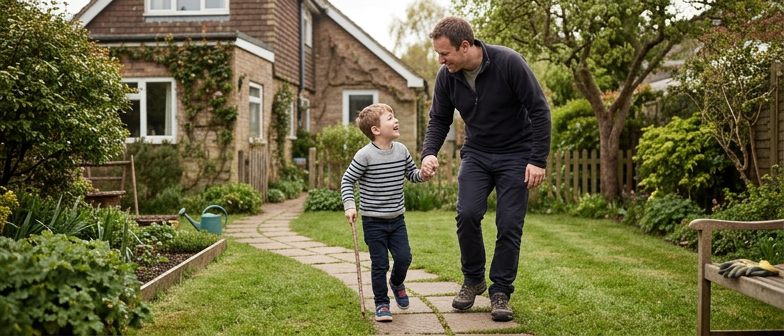
Evenings and weekends can easily disappear into separate screens and silent rooms, yet they’re some of the best chances to move, laugh, and talk together. With a few simple habits—walks that feel like adventures, playful challenges, and outdoor mini‑rituals—movement can become a natural, shared part of everyday family life.
This story is part of DailySeekers's practical reading library across everyday topics.
Why Moving Together Beats Chasing Perfect Workouts
When life is busy, a strict training plan often looks great in theory but collapses the first time someone is tired, gets home late, or is not in the mood. Shared, simple movement adapts more easily to real life and feels less like another task.
Regular joint activity gives familiar benefits: stronger muscles, steadier balance, better mood, and support for everyday tasks like climbing stairs or carrying bags. Basic patterns—squats to a chair, side steps across the room, gentle marching in place—ask the whole body to participate. They do not need to be extreme to help joints, heart, and posture.
Doing these things together turns “exercise” into social time. Jokes during a walk, counting out loud during side lunges, or cheering someone through a short set of chair squats can change the tone completely. Instead of everyone doing separate routines in separate rooms, movement becomes a shared experience.
If the standard is long sessions or flawless form, many people skip movement on days they cannot meet those expectations. A short routine that everyone can manage, even when tired, works differently. Repeating simple patterns with small, safe changes builds familiarity and confidence. Over time, “good enough and shared” tends to last longer than “perfect but fragile,” especially when several generations are involved.
A quick way to “right‑size” expectations
A helpful habit is asking three questions before planning anything:
| Question to ask | Why it helps | Example adjustment |
|---|---|---|
| How tired is everyone today? | Matches effort to energy so people do not dread it | Swap a long session for a short stretch and slow walk |
| How much time is truly free? | Prevents plans that regularly overrun | Set a clear 15‑minute window after dinner |
| Who is joining in? | Keeps moves accessible across ages and abilities | Pick chair options and standing options for each activity |
This kind of check‑in keeps plans flexible enough to survive real schedules while still protecting time for shared movement.
Turning Walks into Small Adventures
A straightforward walk can feel dull for adults and drag for children. Adding story, choice, and light challenge transforms it into something people look forward to, without needing special gear or advanced fitness.
Game‑style twists for familiar routes
Changing how you pay attention to the surroundings makes even a short loop feel fresh:
- Color or object challenges: count red doors, blue cars, or front yards with flowers.
- Movement prompts: at each corner, one person chooses a way to travel to the next point—tiptoe, giant steps, sideways shuffles, or quiet ninja steps.
- Shape hunts: younger kids look for circles, triangles, or stripes; older kids spot patterns in fences, roofs, and signs.
School runs, errands, or trips to a nearby park are chances to add scavenger elements. A tiny list—something that buzzes, three kinds of leaves, a sound you like, a dog’s tail wagging—keeps eyes and ears engaged and encourages steady walking.
Stories, leadership, and repeatable traditions
Imagination adds another layer. A regular loop can become an expedition on a “new planet,” with cracks in the sidewalk acting as canyons or lava. Driveways can be checkpoints where everyone does a tiny task: balance on one leg, five star jumps, or a slow stretch.
Rotating the “adventure leader” role gives children and teens a sense of control. The leader decides when to pause at a low wall for balance practice, when to try a short jog, or when to walk silently and listen for birds. Adults still set boundaries for safety and duration.
Small, predictable rituals help these outings turn into habits: always checking the same tree to see how it looks, racing the final stretch to the front door, or finishing with a quick group stretch on the porch.
Backyard Missions and Playful Quests
A yard, driveway, or patio can quietly become a movement zone by reframing activity as a mission rather than a drill. The space does not have to be large; the key is story and variety.
Turning outdoor space into a mission zone
Instead of “Run around for a bit,” everyone joins a light narrative. A “rescue mission” might involve crossing from one side of the yard to the other without “touching the ground,” using cushions, chalk circles, or stepping stones. A “secret delivery” could mean weaving between flowerpots, crouching behind a chair, and hopping across a chalk line to reach a “safe box.”
Everyday objects stand in for equipment. Chalk becomes arrows or coded symbols. Twigs and stones become clues. Garden tools or chairs create tunnels to crawl under or balance paths to step across. Children focus on solving the mission; adults participate as teammates rather than instructors.
Because the intensity stays moderate and the mood light, different ages can join the same game with their own level of effort. A younger child might walk through a maze; an older sibling might add small jumps; an adult might exaggerate movements for extra challenge.
Simple quest structures that invite constant motion
Several basic formats can rotate through the week:
- Maze quests: chalk out winding paths or place visual markers. Wrong turns lead to short actions—five hops, a crab walk to the nearest chair, or a slow heel‑to‑toe balance walk.
- Scavenger trails: each found item (a smooth stone, a leaf with a certain shape, something that rattles) unlocks a prompt: three squats, a spin, or a tiptoe lap around a planter.
- Obstacle paths: chairs to crawl under, ropes or lines to step over, cones or cushions to zigzag through.
Short “mini‑challenge” rounds can slide between homework and dinner: one minute to see how many safe, controlled side steps fit between two marks, or a timed balance contest where each person designs their own pose.
| Outdoor setup | Movement focus | When it fits best |
|---|---|---|
| Chalk maze with arrows and circles | Direction changes, light agility, following instructions | After school when energy is high |
| Simple obstacle line with chairs and cushions | Crawling, stepping, balancing | Weekend mornings with more time |
| Scavenger trail using natural objects | Bending, looking around, gentle walking | Calm early evening wind‑down |
Designing Evenings and Weekends with Less Screen Time
Building a sustainable pattern of movement works better when it starts small. Rather than redesigning every day, choosing a limited number of “anchor” moments reduces decision‑making and clarifies expectations.
Choosing realistic anchor times
A practical first step is picking one or two regular slots when most people are home and not rushing. That might be an early evening on a weekday and a morning or afternoon on a day off. The plan during those windows stays simple: a short walk, a gentle stretching session, or an easy follow‑along video.
Keeping the active block brief—around the length of an episode of a show—makes it feel manageable. The idea is not to ban entertainment, but to secure a small, repeatable window for shared movement before screens come on.
Preparing in advance reduces friction. Setting a reminder, leaving sneakers by the door, or keeping a small basket with resistance bands, a soft ball, or chalk ready by the back door all lower the effort needed to start.
Making movement the easier choice during key windows
During chosen active periods, turning screens off by default can help. This does not forbid their use at other times; it simply creates an expectation that, for a short while, the household is doing something together.
A rotating “menu” of options keeps these windows from feeling repetitive:
- A familiar walking route with one new game element.
- A short strength circuit using body‑weight moves with easy variations.
- A calm stretching or balance routine in the living room.
- A backyard quest round or outdoor dance‑along.
Letting different people choose from the menu on different days encourages a sense of ownership. Adults can guide choices toward what suits the group’s mood and energy, while still giving children and teens a voice.
Building these habits gradually helps them blend into the household rhythm. Instead of relying on sudden bursts of motivation or ambitious resolutions, the family leans on small, predictable patterns: short walks that include jokes, backyard challenges that feel like play, and regular screen‑light windows where moving together is just “what we do.”
Q&A
-
How can we turn family fitness activities into a routine everyone actually follows?
Start by linking movement to daily anchors you already keep, like after‑dinner time or Saturday mornings, and keep sessions short and predictable. Rotate simple activities such as walks, stretching, or light games, let different family members choose, and focus on consistency and fun rather than intensity or perfect form. -
What are some creative group walking ideas that keep kids and teens engaged?
Use themed routes, like “city safari” or “color hunt,” where everyone searches for specific sights or sounds. Add quick movement stops, such as balance poses or quiet sprints between landmarks. Let children take turns leading the route or picking mini‑challenges so the walk feels like a shared adventure instead of a chore. -
Which backyard movement games work well when space or equipment is limited?
Create simple circuits using chalk lines, cushions, and garden furniture for crawling, zigzagging, or balancing. Timed “mission rounds,” relay races with household items, and follow‑the‑leader patterns keep everyone moving. Emphasize adaptable moves—walking, hopping, or slow stepping—so all ages can play at their own effort level. -
How do we plan weekend activities that balance rest, errands, and exercise?
Sketch a loose weekend timeline with one or two short movement blocks, then place them between existing commitments like shopping or visits. Choose low‑prep options—local walks, backyard quests, or park games—that do not require travel bookings. Keep backup “rainy day” indoor ideas ready so plans survive bad weather and low energy. -
What strategies reduce screen time while encouraging all‑age participation in exercise?
Designate certain windows as screen‑free exercise time and clearly signal the switch, maybe with music or a family check‑in. Offer a small “menu” of inclusive options, from gentle living‑room stretches to outdoor games, and let kids help decide. Reward the habit with relaxing, guilt‑free screen time afterward, reinforcing a healthy routine.