
Seasonal Wellness, One Calendar: From Allergy Prep to Heat and Flu Defense
Each turn of the calendar quietly shifts which risks sit closest to your front door: drifting pollen, stifling heat, crowded indoor air, or icy sidewalks. With a few simple routines—timed appointments, refreshed supplies, and small daily tweaks—you can stay ready, comfortable, and safer through every change in weather without chasing every headline or trend.
This story is part of DailySeekers's practical reading library across everyday topics.
Reading the Weather With Your Body: Everyday Signals That Matter
Looking at a forecast is useful, but how the air feels on your skin, in your lungs, and inside your home often gives earlier clues. Helpful planning starts with noticing these signals and adjusting before strain builds up.
Heat is a clear example. A mild‑looking forecast can still be risky if your home traps warm air, you spend time in a stuffy room, or you commute in crowded spaces. Dehydration, dizziness, headaches, or confusion are signs your body is working too hard. When they appear, it is time to cool down, drink water, and rest instead of pushing through.
Allergens can work in a quieter but similar way. On dry, breezy days with lots of plants around, pollen can spread widely even when the weather feels pleasant. If your nose starts itching on the way to work, or your eyes burn after a short walk, that is useful feedback. It might be worth closing windows during peak hours, rinsing off after being outside, or shifting outdoor exercise to times that usually feel easier on your breathing.
What matters most is pattern‑spotting. If lunchtime walks on warm days regularly leave you wiped out, try moving them earlier, shortening the route, or heading indoors. If one room heats up quickly, use shades, fans, and lighter clothing well before it feels unbearable. Over time, you are building an “internal forecast” that combines official warnings with what your own body has learned.
A short comparison can help translate these signals into action:
| Everyday clue you notice | Low‑effort adjustment that often helps |
|---|---|
| Feeling drained after mid‑day walks | Shift walks to earlier hours or cooler indoor routes |
| Scratchy throat after breezy days | Close windows at peak times, rinse face and hands after going out |
| Restless sleep when nights warm up | Use lighter bedding, a fan near the bed, and dimmed lights before sleep |
| Mild headache in stuffy rooms | Open windows when air is pleasant, use a fan to move air, drink water |
Treating these adjustments as small experiments makes it easier to keep them going across different seasons.
Quiet Calendar Checkups: Planning Ahead by a Few Weeks
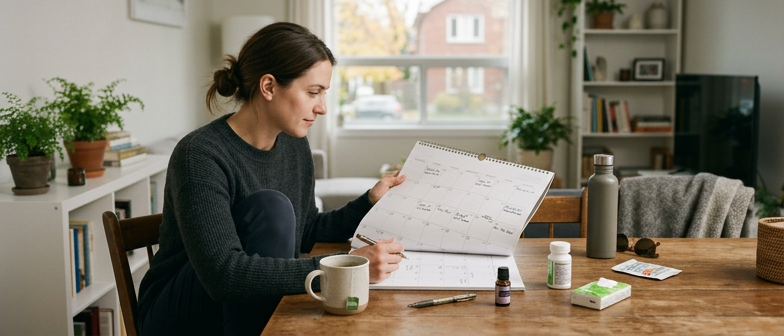
Season‑aware planning does not have to be complicated. A quiet calendar checkup simply means pausing to ask, “What is this stretch of weeks about to throw at me?” Looking one to three months ahead is often enough.
Start by scanning for busy patches: travel, school breaks, intense work projects, or family visits. Match those stretches with basic health‑related tasks while your schedule is still flexible. Before a packed warm‑weather month, for example, you might want to schedule routine wellness visits or physical exams, add reminders for prescription refills, or set a date for any lab work you tend to delay.
Layer simple seasonal tasks on top of that calendar view: a hydration check at the start of hotter weeks, a sunscreen restock before long outdoor days, or a brief review of your sleep and meal rhythm before a schedule change. Together they make last‑minute scrambles less likely.
As the calendar shifts, gentle routines can “ride along” with the weather. When days grow warmer and social plans expand, a recurring reminder to bring water, choose lighter meals, and pause in the shade can prevent early signs of heat stress. When daylight changes or routines flip, protecting sleep with a consistent wind‑down time becomes especially important.
Emotional patterns matter too. A simple monthly check on mood or energy can reveal links to humidity, light, or rapid swings in temperature. If certain conditions often leave you tense, foggy, or low, sketch a small backup plan directly on your calendar: a shorter work session, a brief walk, or an earlier bedtime on those days.
These quiet checkups do not need to be perfect. Think of them as gentle nudges from your past self, giving your future self a bit more space when the season speeds up.
Home Base Adjustments: Supplies, Air, and Temperature
A home that responds smoothly to changing conditions can reduce strain on your body and mind. Instead of overhauling everything at once, focus on a few levers: temperature, airflow, light, and a small stock of basic supplies.
Rethinking indoor comfort
When temperatures swing, modest changes indoors can matter. Adjusting your thermostat gradually rather than in sharp jumps can reduce hot–cold shocks and support steadier sleep. If your setup allows, using timers or smart controls to ease temperatures up or down while you are out, then back to a comfortable range before you return, helps avoid coming home to a stuffy or chilly space.
Fans are powerful helpers. Ceiling fans or small portable units improve air movement so your body can cool itself more efficiently. Pairing fans with blackout or thicker window coverings can keep direct sun from turning rooms into heat traps during late afternoons.
Tiny routines add up: closing blinds during the hottest hours, mopping floors with cool water in the evening, and airing out rooms when outdoor air feels fresher can each nudge indoor temperatures down a little. Taken together, these actions can mean fewer restless nights and less reliance on extreme cooling or heating.
Reviewing simple home supplies
Alongside comfort, it helps to keep a modest, regularly checked set of everyday supplies. This is less about stockpiling and more about avoiding last‑minute trips when you already feel unwell.
A short, seasonal review might cover:
| Area | What to briefly review | Why it helps across seasons |
|---|---|---|
| Air and comfort | Fans, window coverings, filters if you use them | Eases shifts between hot, cold, and humid days |
| Skin and sun | Sunscreen, light clothing, hats | Supports longer outdoor time with less discomfort |
| Minor symptoms | Basic pain relief, items for congestion or sore throat, simple bandages | Reduces stress when mild illness or small injuries appear |
| Hydration aids | Reusable bottles, light drinks you tolerate well | Encourages regular fluid intake in warm or dry conditions |
Checking these items as temperatures start to rise or fall lets you replace what is missing early.
Caring in Circles: Looking Out for Kids, Older Adults, and Neighbors
Some people feel seasonal shifts more quickly: young children, older adults, and those living alone or without stable housing. Building simple “caring circles” around them spreads the work of staying safe and comfortable.
Start inside your home. Kids and older adults may not always speak up when they feel off, or they may brush off early signs. Heat can build up indoors even on days that do not look extreme. Closing blinds or curtains during the hottest hours, using fans pointed downward, and choosing light, loose clothing lower the strain. A daily cool‑down routine—resting in a cooler room, sipping water, using a cool washcloth—can cut the chance of dizziness, weakness, or nausea.
Recognizing early warning signs is part of this shared care. Heavy sweating, headache, or confusion in a child or older adult should not be ignored. Moving to a cooler place, offering slow sips of water, and seeking medical support when needed can prevent more serious problems from developing.
Caring in circles can also extend beyond your front door. A brief text, phone call, or knock during very hot spells or harsh cold snaps can reveal who might need a fan, extra layers, or help reaching a safe indoor space. Apartment buildings, neighborhoods, or informal groups of friends can assign “check‑in buddies,” so no one is relying only on themselves during the toughest stretches.
Community services, outreach teams, or local shelters often share guidance on staying safe in extreme conditions and may offer spaces where people can cool down or warm up for part of the day. Passing that information along to families, caregivers, and neighbors keeps it from staying hidden. When one person learns how to spot early signs of trouble or where to go for support, that knowledge can ripple outward, quietly protecting more people as the seasons keep turning.
Q&A
-
How can I build a simple Seasonal Wellness Preparation routine without overhauling my life?
Seasonal wellness works best when it rides on habits you already have. Link short check‑ins to existing anchors like rent day, pay day, or a weekly shop. Each time, scan your calendar, weather trends, and energy levels, then make one or two tiny adjustments instead of a long, unsustainable “health reset.” -
What should effective Allergy Season Planning include beyond taking antihistamines?
A practical allergy plan combines timing, environment, and backups. Track which weeks usually trigger you, then schedule refills and routine checkups before that period. Adjust outdoor time to lower‑pollen hours, review home filters, and keep a small “allergy kit” with tissues, eye drops, and masks ready for sudden high‑pollen days. -
How can I approach Winter Illness Prevention in a realistic, everyday way?
Focus on the small exposures you repeat most: public transport, offices, and shared kitchens. Build habits like carrying hand sanitizer, spacing routine checkups and vaccinations before peak illness months, and keeping a home “sick day box” with supplies and easy meals so you can rest early instead of running errands while unwell. -
What are key Summer Heat Safety steps for people who feel fine until they suddenly crash?
People who “power through” heat benefit from preset guardrails. Use phone reminders for water breaks, schedule intense tasks during cooler hours, and arrange check‑ins with a friend on extreme days. Pair fans, light clothing, and shaded routes with a firm personal rule to stop at the first signs of dizziness or nausea. -
How often should I do a Home Health Supply Review and adjust Lifestyle Adjustment Habits?
A brief review every season change, plus before known busy periods, is usually enough. Check expiration dates, gaps in basic supplies, and whether your current habits still fit your schedule and energy. Replace or remove items that no longer serve you so your routines stay light, realistic, and easy to maintain.