
Senior‑Friendly Fitness: Low‑Impact Ideas That Keep Movement Safe and Consistent
Many older adults want to stay active but worry about sore joints, loss of balance, or simply not knowing where to start. With a few thoughtful adjustments, movement can feel comfortable, social, and safe—whether it happens on a quiet neighborhood stroll, beside a sturdy chair, or right in the living room.
This story is part of DailySeekers's practical reading library across everyday topics.
Start Where You Are and Keep Things Gentle
Beginning or restarting activity later in life does not need a dramatic plan. The focus is the body you have today. Thinking in minutes instead of big targets keeps pressure low and helps you notice how you feel from moment to moment.
Chair‑based movement is a simple way to begin. Sitting on a stable chair with feet flat and back supported, try slow knee lifts, easy arm circles, or gentle leg extensions. Starting with only a few minutes, a few times a week, is enough. If that feels comfortable, add a couple of minutes or one extra round of each movement. Any sharp pain, strong dizziness, or unusual shortness of breath is a cue to pause and rest.
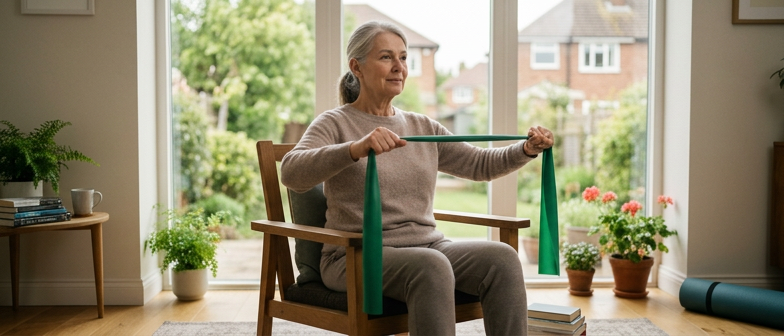
Light strength work can stay equally simple. A small set of moves for upper body, lower body, and core is often enough: wall push‑ups, seated pulls with a light band, or standing heel raises while holding a countertop. Moving slowly, with steady breathing and control, is more important than heavy effort. One day a week may be a reasonable beginning, with the option to add more days later.
On higher‑energy days, short walks, easy cycling, slow dancing in the living room, or gentle yoga can rotate through the week. On low‑energy days, tiny efforts still matter: a few minutes of marching in place or rolling the shoulders keeps the habit alive. The aim is not to “push through,” but to build a pattern that feels safe and kind to joints and muscles.
When “less” is actually enough
Many people assume that only long or intense sessions count. For an older body, a different rule can apply: small, frequent efforts often fit better and feel safer than rare, hard workouts.
A helpful guide is to choose a level of effort you could repeat even on a tired day. If today’s walk or chair routine feels so demanding that you would avoid it tomorrow, it may be too much for now. Adjusting down protects enthusiasm and makes it easier to continue.
Warming Up, Using Support, and Breathing for Comfort
A comfortable warm‑up can start even before the first step. For bodies that feel stiff, gentle heat from a short warm shower, bath, or a warm wrap may loosen muscles and joints. After activity, a warm pack or soft wrap over tight areas can encourage them to relax.
Once you begin moving, think of the first minutes as “easy mode.” March lightly in place, roll the shoulders, tap the toes, or walk around your home at a chatty pace. In water, slow walking in shallow areas and small stretches can prepare the body for a little more effort.
Using support to feel steady
Support can be physical or social. A sturdy chair offers backup for balance; a wall or countertop provides something to hold during standing stretches. Simple movements such as seated marches, chair squats, or gentle side steps while touching a surface let you control how much weight goes through hips, knees, and ankles.
Guided sessions designed with older adults in mind can also help. Slow practices that emphasize balance and awareness—such as very simple standing sequences or chair‑based versions—let you practice shifting weight, softening the knees, and aligning posture. These skills carry over into daily life: turning in the kitchen, stepping off a curb, or reacting to a small stumble.
Breathing as a built‑in safety check
Breath is a reliable way to monitor effort. One useful rhythm is to inhale through the nose during the easier part of a movement, then exhale through the mouth during the effort, such as standing up from a chair or pushing away from a wall.
If you cannot keep a steady breath or hold a short conversation, the pace may be too fast or the movement too demanding. Slowing down or shortening the session is a valid choice. Sipping water before, during, and after activity supports comfort, and finishing with calm breathing and gentle stretches helps the heart rate return smoothly toward its usual level.
| Signal from the body | Helpful response | How it supports safety |
|---|---|---|
| Sharp joint pain or stabbing discomfort | Stop the movement, sit or hold support, switch to lighter range of motion only if it feels ok | Reduces strain on joints and lowers risk of irritation |
| Strong dizziness or feeling faint | Sit or lie down with support, focus on slow breathing, resume only if fully settled | Helps prevent falls and gives the body time to recover |
| Unusual shortness of breath | Pause, rest, take small sips of water, restart at a slower pace another time | Keeps effort within a manageable range for heart and lungs |
Everyday Strength from Walks and Chair Routines
For many older adults, the priority is everyday capability rather than athletic performance: walking to the local shop, getting out of a chair smoothly, or climbing a few steps without feeling drained. Gentle movement repeated over time helps keep joints comfortable, muscles responsive, and balance more reliable.
A simple walk can train strength and steadiness when done with attention. Walking “tall,” with relaxed shoulders and a rolling step from heel to toe, encourages good alignment. Short walks spaced through the day, with rests as needed, can support leg power and stamina.
Chair routines add another layer of calm structure. While seated, marching the legs, tapping toes, or making light kicks wakes up hips and thighs. Cross‑body punches, arm circles, and gentle twists engage shoulders, upper back, and core. Pressing the hands into the arms of the chair to gently lift the hips a little mimics part of a squat and can make standing easier over time.
Slow practices such as very basic tai chi‑style shifting or simple balance drills also play a role. Standing near support, gently moving weight from one foot to the other and coordinating breath can improve awareness of where the body is in space. Over time, this can support confidence during turns or when stepping around obstacles.
Choosing movements that match your day
Energy can vary a lot from day to day. Matching the activity to how you feel helps consistency.
| How you feel today | Movement ideas | Why they may fit |
|---|---|---|
| Low energy or stiff | Seated marches, shoulder rolls, gentle ankle circles, slow breathing practice | Keeps joints moving with minimal strain and supports relaxation |
| Moderate energy | Short walk indoors or outdoors, wall push‑ups, light chair squats, heel raises at a counter | Builds strength for daily tasks while staying low impact |
| Feeling good and steady | Slightly longer walk with a few pauses, simple balance drills near a chair, easy dancing to music | Challenges stability and stamina without requiring intense effort |
Turning Movement into a Lasting Daily Pattern
Lasting habits often start so small that they feel almost effortless. Rather than planning a long session, think in brief blocks you can sprinkle through the day and connect to actions you already do.
A few chair squats before sitting down, or gentle heel raises while holding the back of the chair as you wait for the kettle, add quiet strength work in seconds. Walking slowly around your home during a phone call, or marching in place during a break from television, brings extra steps without a formal workout.
Linking each mini‑movement to a regular activity—brushing teeth, cooking, tidying, or making the bed—helps the new habit “piggyback” on an existing routine. Over time, the daily action and the small exercise become paired in your mind, so the movement happens almost automatically.
Keeping it enjoyable and sustainable
For many older adults, steady, moderate effort is safer and more sustainable than intense bursts. Movements that directly support daily life often bring the most value: slow walks, light lifting of safe household items, simple lunges along a hallway with support, or push‑ups against a countertop.
Tuning in to your body’s feedback is essential. Mild warmth, light muscle effort, and gentle breathing are common signs of being active. Sharp pain, heavy pressure in the chest, strong dizziness, or unusual shortness of breath are signals to stop and rest, and to seek medical guidance when appropriate. Progress might be as modest as one or two extra repetitions of a movement or a couple more minutes of walking after a week or more of comfort at the current level.
Adding a social element can help many people continue. A relaxed walk with a friend, a basic routine with a partner, or a small, informal group in your building can make activity feel more like a shared appointment than a solo task. When movement feels enjoyable, low‑pressure, and adapted to how you feel on that particular day, it becomes easier to keep it going and to support independence over the long term.
Q&A
-
How can I design a senior friendly fitness routine that still feels purposeful?
A senior friendly fitness routine can mix light cardio, gentle strength work, and balance focus drills over the week while keeping sessions short and repeatable. Rotate chair exercises, relaxed walks, and simple standing drills, aiming for consistent movement goals that support daily tasks such as getting up, reaching, and turning safely. -
What are some low impact activity options beyond basic walking?
Low impact activity options include water walking, stationary cycling with light resistance, tai chi style shifting, and slow dancing at home. These protect joints while still training circulation, coordination, and stamina. Gentle strength work using resistance bands or bodyweight holds can be added without stressing knees, hips, or back. -
How do I start and grow a safe walking club for older adults?
Walking club ideas include short loop routes with benches, clear meeting points, and flexible “turn back anytime” rules. Encourage Safe Warm Up Habits such as easy marches and shoulder rolls, and set shared consistent movement goals like “two laps a week.” Keep pace conversational, and invite members to log steps or minutes, not speed. -
What does gentle strength work look like for someone with sensitive joints?
Gentle strength work focuses on slow, controlled movements using light resistance and plenty of support. Wall presses, seated band rows, and mini squats to a chair build useful strength with minimal joint compression. Prioritize full, pain free range over heavy loads, and schedule non consecutive days for recovery and adaptation. -
How can I practice balance focus drills safely at home?
Balance focus drills can be done near a countertop or sturdy chair, starting with simple weight shifts, narrow stance holds, and gentle heel to toe walking. Use Safe Warm Up Habits first, then keep one hand ready for light support. Track progress by counting steady breaths or seconds, gradually increasing time as confidence improves.