
Bone Health Essentials: Everyday Moves and Meals That Help You Stay Steady
Strong, stable bones rarely come from one big change; they grow from small choices repeated day after day. What you put on your plate, how you move, and how you arrange your home can influence balance, resilience, and confidence as the years go by.
This story is part of DailySeekers's practical reading library across everyday topics.
Small Daily Choices That Quietly Strengthen Your Skeleton
Bones are living tissue, constantly being broken down and rebuilt. Everyday routines may seem minor, but over time they tip the balance toward sturdier structure or gradual loss.
Food patterns that support bone renewal
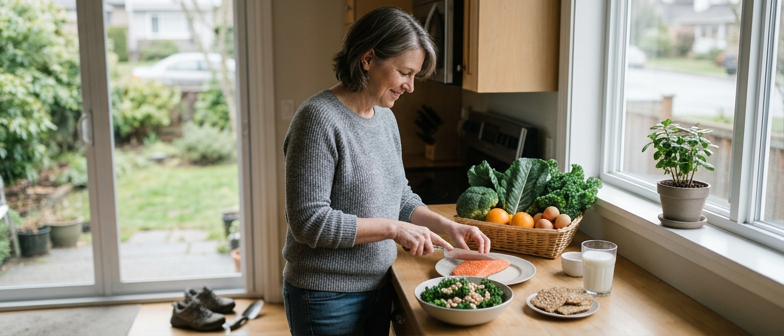
Calcium is a main building block for bone. Regular, moderate amounts tend to matter more than rare, very high intakes. Dairy foods like milk, yogurt, and cheese are familiar sources. For people who eat little or no dairy, options such as leafy greens, almonds, tofu set with calcium, canned fish with soft bones, and fortified drinks or cereals can help.
Vitamin D helps the body absorb and use calcium. Fatty fish, egg yolks, and certain fortified foods offer some support, and careful time outdoors can contribute as well. Magnesium plays a role in both bone structure and the way calcium and vitamin D work together. Nuts, seeds, whole grains, and legumes are simple ways to add it throughout the week.
Protein is also important. Including foods like eggs, fish, poultry, beans, or lentils at most meals supports both muscle and bone repair. A plate that regularly includes protein, colorful vegetables, and one or two sources of calcium tends to offer more reliable support than an occasional “ideal” meal followed by long stretches of less balanced eating.
The goal is a pattern, not perfection. Small food swaps—such as choosing yogurt instead of a dessert with little nutrition, or adding a handful of seeds to breakfast—can, over time, help your skeleton stay more resilient.
Movement habits that keep bone tissue active
Bones respond to gentle, repeated stress. When your body works against gravity, it receives a signal to maintain or build bone tissue. Activities like walking, climbing stairs, or light jogging are common ways to do this. For those who prefer lower impact, brisk walking or gentle dancing can still encourage bone maintenance.
Adding simple resistance work gives another layer of support. Bands, light free weights, or bodyweight movements such as squats, wall push‑ups, and heel raises can help. These activities challenge muscles, which in turn load the bones they attach to.
Short, regular sessions often fit better into daily life than occasional long, intense workouts. Standing to stretch during long sitting periods, taking a brief walk in the middle of the day, or doing a few strength exercises at home all contribute. Over months and years, this kind of steady pattern, along with nutrient‑aware eating and appropriate check‑ins with a health professional, can make a meaningful difference to bone strength.
Moving with Purpose: Balance, Stability, and Confidence
As the body changes with age, balance and stability become just as important as strength. Purposeful movement trains your muscles, joints, and nervous system to work together, which may lower the chance of stumbles and support confident walking.
Gentle balance challenges you can scale up or down
A short walk where you pay attention to posture, heel‑to‑toe stepping, and relaxed breathing already trains both balance and bone support. The key is moving with awareness rather than rushing.
Slow, mindful practices can be especially helpful. Sequences similar to tai chi or chair‑friendly yoga encourage controlled shifts of weight from one leg to the other. The movements may be small, but they ask muscles around the hips, knees, and spine to stay coordinated. This can help you stay steadier during everyday tasks like turning, reaching, or stepping off a curb.
Low‑impact options such as water aerobics or stationary cycling do not load the skeleton as strongly as some higher‑impact activities. Even so, they build leg strength and endurance, which are important for staying upright in daily life and may make weight‑bearing activities feel more comfortable.
Everyday “movement snacks” that fit into real life
Balance and strength can be trained in short bursts. While waiting for the kettle or microwave, you might stand on one leg while lightly resting your fingers on the counter. As this feels easier, you could turn your head slowly side to side or briefly close your eyes while still keeping a safety support within reach.
Walking an “imaginary line” in a hallway—placing one foot directly in front of the other—challenges balance in a controlled way. Moving slowly, keeping the chest lifted, and staying near a wall or sturdy surface offers a margin of safety.
Simple strength exercises, done with calm, controlled motion, reinforce these efforts. A few repetitions of sit‑to‑stand from a chair, gentle lunges while holding a countertop, or rows with a light band can improve muscle support around joints. Stronger muscles help protect bones and make each step feel more secure.
From Kitchen to Couch: Everyday Patterns That Feed Bone and Muscle
From meals to downtime, it is often the overall pattern that matters. Many modest choices working in the same direction can help maintain a stronger frame.
Building a plate that quietly works for you
Calcium‑rich foods work best when they show up regularly. Yogurt, milk, leafy greens, calcium‑set tofu, fortified drinks, and seeds can be rotated across breakfast, lunch, and dinner. Spreading them out may be more effective than relying on one large serving.
Support nutrients play quieter roles. Vitamin D helps your body use calcium. Magnesium and vitamin K, found in nuts, seeds, and dark green vegetables, are associated with healthier bone structure. Meals that regularly include vegetables, whole grains, and sources of healthy fats can bring these nutrients together without needing strict rules.
A pattern often described as plant‑forward—where vegetables, fruits, legumes, and whole grains form the base of meals, with modest portions of fish, poultry, or other protein—has been linked in research settings with better bone health markers and fewer fractures.
This kind of pattern can be built gradually. Adding one extra serving of vegetables, choosing whole grains more often, or swapping a sugary drink for a fortified alternative may bring your diet closer to a bone‑friendly style over time.
Daily living patterns beyond the plate
What happens away from the table shapes bone renewal as well. Activities that involve working against gravity—such as walking, stair‑climbing, or dancing—signal bones to stay dense. Short sessions of resistance work with bands, light weights, or your own body weight give additional stimulus.
Sedentary time is common, especially with more screen‑based work and entertainment. Brief “movement breaks” can interrupt long stretches on the couch or at a desk. Standing up every hour, walking around the room, doing a set of calf raises, or taking a short walk after meals are simple options.
Other lifestyle factors influence the long‑term renewal process. Many people find that consistent sleep and manageable stress levels make it easier to stay active and choose nourishing foods. Avoiding smoking and keeping alcohol intake modest are also commonly recommended as part of a bone‑supportive routine.
Safer Spaces, Steadier Steps: Shaping a Home That Works With You
Even strong bones can be injured in a fall, so reducing the risk of tripping or slipping is a practical investment. Small home adjustments can make daily routes smoother and more forgiving.
Clearing the way and improving what you can see
Many falls at home start with small obstacles: a shoe left near a doorway, a loose rug, a dark corner where it is hard to see the floor. For someone whose bones are more fragile, one misstep can lead to a fracture, time away from usual activities, and a drop in confidence.
Begin with walkways. Keep paths from bedroom to bathroom or kitchen free of boxes, laundry baskets, or stacks of magazines. Move power cords so they run along walls and secure them so they cannot easily catch a foot. If throw rugs are in common routes, consider removing them or taping them securely to reduce the chance of edges curling up.
Lighting is another quiet but powerful tool. Brighter bulbs in dim areas and nightlights along the path to the bathroom can make it easier to see changes in flooring or small objects on the ground. Clear visibility, especially when getting up at night, lowers the chance of a misplaced step or sudden loss of balance.
Focusing on bathrooms, bedrooms, and kitchens
Some rooms deserve extra attention. Bathrooms have hard, often wet surfaces where slips are more serious. Non‑slip mats inside and just outside the tub or shower provide steadier footing. Grab bars near the toilet and in the shower can assist during sitting, standing, and turning.
In bedrooms, keeping essentials within easy reach can prevent sudden lunges or awkward bending. Placing a phone, water, glasses, and regularly used medications on a stable bedside surface reduces the need to stretch or twist. A bed height that allows your feet to rest flat on the floor when sitting at the edge makes standing up smoother and less wobbly.
In kitchens, storing everyday dishes, pans, and pantry items between shoulder and hip height reduces the need for climbing or reaching overhead. Heavier objects are generally safer on lower shelves that do not require standing on tiptoe or using a step stool. Lever‑style handles on faucets and doors can be easier for hands that feel weak or stiff.
These changes do not need to happen all at once. Picking one pathway or room and making a small, practical tweak can gradually turn a home into a space that supports steady, confident movement as the years go by.
Q&A
-
What are the core “Bone Health Essentials” most adults should prioritize for long‑term protection?
Bone health essentials include regular weight bearing exercise, daily calcium rich foods, and consistent vitamin D awareness, combined with adequate protein and sleep. Layering these with fall prevention habits, a simple strength support routine, and periodic bone density checks gives a realistic framework for healthy aging focus over decades. -
How can beginners safely start “Weight Bearing Exercise” without access to a gym?
Start with short, frequent bouts of walking on varied but safe surfaces, stair climbing in well‑lit areas, and sit‑to‑stand practice from a sturdy chair. Add light resistance bands a few days a week. Progress by increasing duration or pace, not impact, to protect joints while stimulating bone tissue and confidence. -
What are practical ways to include more “Calcium Rich Foods” across a busy day?
Use small, repeatable anchors: yogurt or fortified plant milk at breakfast, leafy greens or beans at lunch, and cheese, tofu, or canned fish at dinner. Snacks like almonds or calcium‑fortified drinks fill gaps. Rotating different calcium rich foods helps spread intake and reduces boredom while supporting steady bone renewal. -
Why is “Vitamin D Awareness” important even for people who feel generally healthy?
Vitamin D awareness matters because levels can quietly drop with indoor lifestyles, sunscreen use, darker skin tones, or winter seasons. Low vitamin D may limit how effectively calcium rich foods support bones. Simple blood tests, tailored supplementation, and safe sunlight exposure plans help keep levels in a bone‑friendly range. -
How do “Fall Prevention Habits” and a “Strength Support Routine” work together for healthy aging?
Fall prevention habits reduce the chance of a serious impact, while a strength support routine lowers injury risk if a fall occurs. Regular leg and core exercises, balance drills, and environment checks, combined with good footwear and updated vision prescriptions, create layered protection that supports independence and healthy aging focus.