
Morning Stretch for Active People: A Daily Mobility Flow That Makes Recovery Routine
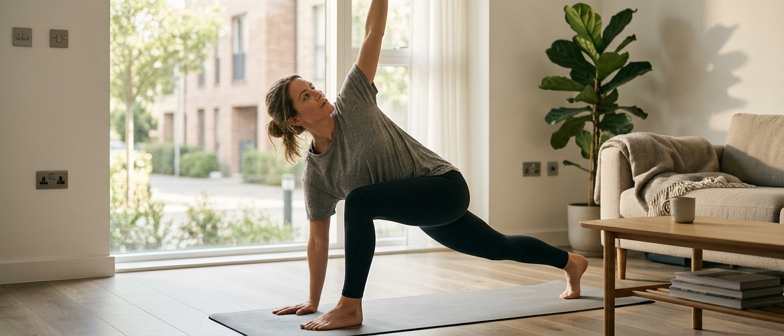
Early movement can turn a stiff, groggy start into a smoother, more comfortable day. After hours of stillness, muscles and joints respond well to slow, deliberate motions linked with calm breathing. With just a few minutes of gentle activity, you can ease tight spots, support circulation, and feel more prepared for whatever training or busy schedule lies ahead.
This story is part of DailySeekers's practical reading library across everyday topics.
Why Calm Movement After Waking Feels So Good
During the night, the body spends many hours in similar positions. Muscles shorten slightly, joints do not move much, and blood flow can feel sluggish when you first get up. Moving softly instead of rushing straight into high effort gives tissues time to “switch on” in a controlled way.
Slow, easy bends and twists invite more circulation into areas that feel heavy or stiff. Light spinal rotations, a relaxed forward fold, or gentle side bends encourage the back, hips, and hamstrings to move from tight and sleepy toward more responsive. For people who stay active, this can mean walking, lifting, or cycling later in the day with less of that early “rusty hinge” sensation.
A softer start for the mind and nerves
Paired with steady, unhurried breathing, simple stretches can give the nervous system a softer landing into the day. Heart rate may feel more settled, and the mind gets a break before emails, messages, and tasks demand attention.
Taking this pause makes it easier to notice what is going on in your body: which areas feel tight, which feel tired, and which feel ready to move. That awareness can guide training choices, commute habits, and posture through the day.
How this supports regular training
For people who exercise frequently, a gentle routine early in the day can bridge the gap between rest and higher effort later on. It is not a full warm‑up for intense sessions, but it helps joints glide more easily and can reduce the shock of going from complete stillness to demanding movement.
A Practical Flow From Head to Toe
A simple order keeps things easy to remember: wake up the top of the body, then work down to the feet. The aim is smooth, comfortable motion rather than deep stretching or pushing limits.
Upper‑body wake‑up
Begin either seated or standing tall with feet planted.
- Tilt the head so one ear moves toward the shoulder, then switch sides. Keep the chin slightly tucked.
- Roll the shoulders in slow circles, first one way and then the other.
- Place hands on hips or ribs and trace small circles with the upper body.
- Add a gentle chest opener by interlacing fingers behind the back or resting them on the lower spine, lightly lifting the chest, then releasing.
Each move should feel like lubrication for the joints rather than a test of flexibility. If any position creates sharp discomfort, shorten the range or skip it.
Lower‑body sequence from hips to feet
Once the upper body feels looser, let attention drift to hips, legs, and ankles. Keep a hand on a wall, chair, or counter if balance feels wobbly.
- Draw small circles with one knee while the other foot stays rooted, then switch sides.
- Try a light squat‑to‑reach pattern: gently bend the knees and lower the hips a little, then lengthen the legs while sending the arms overhead.
- Rise onto the balls of your feet, pause briefly, and lower slowly to wake up calves and arches.
- Finish with relaxed ankle circles, either standing with support or seated on the edge of the bed or a chair.
By the end of this short flow, it is common to feel warmer and less aware of overnight stiffness.
| Situation | How to adjust the morning flow | Why it may help |
|---|---|---|
| Heavy training planned later | Keep stretches light and focus on smooth motion | Leaves more energy for the main session while still easing stiffness |
| Rest or recovery day | Spend a bit longer at the end ranges of gentle stretches | Encourages relaxation and a sense of spaciousness in tight areas |
| Limited time before work | Do only neck, shoulders, hip circles, and calf raises | Maintains the habit without needing a long window |
Making Each Move More Effective
Small details often matter more than adding extra exercises. Three elements can transform basic shapes into a useful reset: how you breathe, how fast you move, and how you align your body.
Breathing that supports release
Instead of quick, shallow breaths high in the chest, aim for a slow pattern where the belly rises a little on each inhale and softens on each exhale. Inhale gently through the nose, pause briefly if it feels natural, then let the air leave slowly through either nose or mouth.
Stay in a stretch only as long as this rhythm feels easy. If the breath turns choppy, rushed, or you notice you are holding it, come out slightly or rest. The intention is not to chase a more intense pull but to give the nervous system a calmer message so the muscles can let go over time.
Pace and posture as quiet tools
Move into and out of each position almost like a slow wave. Glide only to the edge of mild tension, hold there for a few relaxed breaths, then return without bouncing or jerking.
Alignment works like a gentle volume control. In a standing forward fold, for example:
- Soften the knees instead of locking them.
- Hinge from the hips rather than rounding the lower back.
- Let the head hang heavy while keeping the back of the neck long.
- Allow shoulders to relax away from the ears, with the middle gently supported.
These tweaks can help a simple move feel more like nourishing maintenance than a test of flexibility.
Keeping the Morning Reset Going
A routine is only useful if it actually happens. Making it small, flexible, and easy to remember helps it stick during both busy and quiet seasons.
Tying movement to existing habits
Attaching the sequence to something you already do each morning can reduce friction. Instead of setting a vague goal to stretch “every day,” link it to concrete actions such as:
- After turning off the alarm, sit up and do a short neck and shoulder series beside the bed.
- After brushing your teeth, stand in the bathroom and perform a handful of hip circles and gentle squats.
- After starting the coffee or kettle, use that waiting time for calf raises and ankle circles.
Visual cues also work well. Keeping a mat where you usually step first, saving a simple routine note on your phone, or placing a small reminder card on the nightstand can help at a sleepy moment.
A flexible, “good enough” mindset
Many active people drop helpful routines because they expect every session to be long, perfect, or intense. A more sustainable approach is to set a minimum that feels almost too easy, with room for optional extras.
On the most rushed days, the minimum might be only two or three minutes on or beside the bed: simple neck tilts, shoulder rolls, and ankle movements. When energy and time allow, that same foundation can expand into a longer session with more lower‑body work and extra breathing focus.
Tracking can be simple and low‑pressure. A notebook, calendar, or notes app can hold short tags like “bed stretch only,” “quick standing flow,” or “full sequence.” Missing a day does not erase progress; returning the following morning helps the body learn that this gentle check‑in is part of waking up.
| Personal tendency | Simple strategy | What to watch for |
|---|---|---|
| Often overcommits to long routines | Set a very small daily minimum and treat longer sessions as a bonus | Avoid turning the bonus into a new strict rule |
| Forgets in the morning rush | Attach stretches to a fixed task like making breakfast | Notice which cue works best and stick with it |
| Gets bored quickly | Rotate a few favorite moves while keeping the same time of day | Keep the structure, play with the details |
Q&A
-
How can a Morning Stretch For Active People differ from a general stretch routine?
A Morning Stretch For Active People should focus on low‑intensity, joint‑friendly patterns that prepare the body for later training loads without causing fatigue. Compared with general stretching, it prioritises circulation, coordination and gentle activation of key areas like hips, spine and ankles, so later warm‑ups feel shorter and more effective. -
What makes a Daily Mobility Flow more beneficial than doing random stretches?
A Daily Mobility Flow follows a repeatable sequence, usually moving from neck and shoulders down to hips and ankles. This order builds body awareness, reduces decision fatigue and ensures no region is consistently skipped. Over time, it supports joint health, smoother technique in sport, and fewer sudden “surprise” tight spots during the day. -
How do Gentle Wake Up Movements support Flexibility Maintenance Habits long term?
Gentle Wake Up Movements applied every morning signal to muscles and connective tissue that regular, comfortable range is expected. Rather than forcing deep holds, they reinforce low‑stress repetition, which can prevent the slow loss of mobility that often comes with age, heavy training cycles, or long hours of sitting at work. -
What is smart Pre Activity Preparation for people who train later in the day?
Smart Pre Activity Preparation in the morning means light mobility plus subtle activation, not a full workout. Keep ranges pain‑free, use controlled tempo, and stop before fatigue. This primes movement patterns and balance, helps detect niggles early, and still leaves plenty of strength and energy for the main training session. -
Why combine Breathing With Stretching inside a Consistent Recovery Routine?
Breathing With Stretching recruits the diaphragm and parasympathetic response, lowering perceived tension while joints move. Integrated into a Consistent Recovery Routine, this combination can improve sleep quality, reduce post‑session soreness, and make it easier to down‑shift after stressful days, supporting both physical repair and mental resilience.