
Stretching a Tight Monthly Budget: Pantry-First Meals, Low-Buy Rules, and Smarter Commutes
By the third week of the month, every purchase can feel like a tradeoff: groceries or gas, takeout or next week’s train pass. With a few practical shifts—starting in your kitchen, rethinking everyday shopping, and trimming how you get around—you can slow spending without feeling deprived.
This story is part of DailySeekers's practical reading library across everyday topics.
Start With Your Shelves: Turn What You Already Own Into Meals
Before thinking about a shopping list, look at what is already sitting at home. Build most of this week’s meals from what you have, then fill in the gaps.
Take inventory and spot the “anchors”
Do a quick sweep of pantry, fridge, and freezer. Group what you find into broad types such as grains, proteins, vegetables, sauces, and snacks.
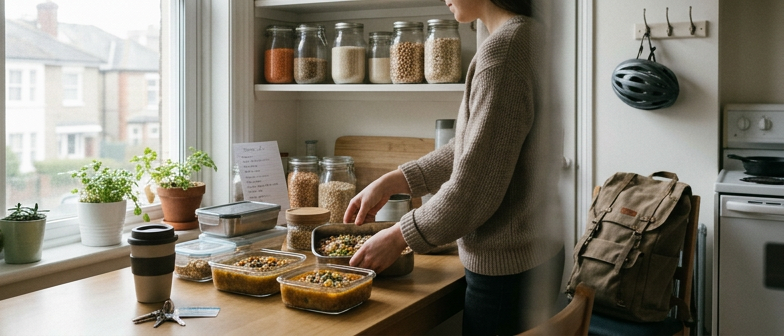
Within those groups, look for “anchor ingredients” that show up often and can stretch across several meals, such as rice, beans, lentils, oats, pasta, eggs, onions, carrots, or frozen vegetables. These can form the backbone of soups, stews, bowls, and casseroles.
Also notice what has been sitting around: that half‑used bag of lentils, the can of chickpeas in the back, the frozen chicken you keep skipping. Prioritise these so they do not end up in the bin. Mark anything that could act as a meal base: tortillas, cooked meat, tinned tomatoes, or a box of stock.
Turn ingredients into a simple plan
Once you see what you have, match items into easy meals. Rice, frozen vegetables, and eggs can become fried rice. Canned beans, tomatoes, and basic spices can turn into a simple chilli. Tortillas plus leftover meat or chickpeas can become wraps or quesadillas.
Let one cooking session do double duty. A pot of shredded chicken might appear in soup, pasta, and sandwiches. A tray of roasted vegetables can work in grain bowls, salads, and omelettes. Leftovers stored in single portions make it easier to resist takeaway when you are tired.
When you write a shopping list, only add the extras needed to complete those meals: a few fresh vegetables, a missing sauce, or a breakfast staple. Focusing on finishing what you already own stretches the monthly food budget.
Calmer Store Trips: Ground Rules That Tame Everyday Spending
Many budgets leak through frequent, unplanned store visits. One quick stop for milk can turn into snacks and drinks.
Plan your shopping rhythm
Pick a default rhythm for groceries and household supplies, such as one main trip a week. Before that trip, glance at your shelves, sketch out straightforward meals, and write a short list.
Connect that plan to your monthly numbers. Decide how much you can spend on food, household items, and small personal extras, and divide each into weekly amounts. When a week’s envelope or card limit is used up, pause new shopping trips unless something essential is missing.
Keep a small flex line in your budget. This covers forgotten items without sending you back to the store several times. The goal is fewer visits, not strict perfection.
Use simple rules to cut impulse buys
Clear, written rules reduce decision fatigue. Examples:
- Essentials only on weekdays; non‑essentials wait for a planned shopping day.
- One cart; if it does not fit comfortably, it stays.
- A quick pause at checkout: remove anything that was not on the written list.
Some people add short no‑spend stretches: a few days when only pre‑defined essentials are allowed.
Tracking helps too. For a few weeks, note where money actually goes: extra décor, repeated snack runs, just‑in‑case purchases. Seeing these patterns on paper or in an app makes it easier to adjust categories and shrink the most flexible ones.
A simple way to think about common rules is to match them to your own habits:
| Habit pattern | Possible rule of thumb | What it can help with |
|---|---|---|
| Frequent small top‑up trips | One weekly shop plus a tiny flex allowance | Fewer impulse buys, less decision fatigue |
| Big, overflowing carts on payday | Smaller list plus a mid‑week review | Smoother spending across the month |
| Online browsing late at night | No‑browse window after a set hour | Fewer emotional or tired purchases |
Rethink the Commute: Spending Less to Get From A to B
Travel costs can quietly take a large slice of monthly funds. Even if you cannot change where you live or work, small adjustments to how you move around can still help.
Get more from the vehicle you already use
If you drive, basic care and gentler habits can reduce both fuel use and wear. Keeping tyres properly inflated and staying on top of routine checks helps the engine run efficiently.
Driving style matters. Avoid rapid acceleration, hard braking, and constant lane changes to lower fuel use and reduce strain on brakes and tyres. On clear roads, using cruise control, coasting early toward red lights, and planning ahead for turns can help you drive more smoothly.
Route planning plays a role too. Combining errands into one loop instead of several short trips can cut distance, parking stops, and congestion time. Choosing routes designed to be fuel‑efficient, rather than only the absolute fastest, can also mean fewer refills over time.
Explore alternatives where they make sense
You do not need to give up the car entirely to see a difference. For short distances, walking or cycling can replace some quick drives and remove parking costs. For longer trips, public transport or sharing rides spreads costs like fuel, parking, and tolls.
Carpooling to work or regular activities even a few days a week can shrink monthly transport spending. When you rely on ride‑share services or taxis, trying to travel outside the busiest times or combining social and shopping trips on the same outing can soften the impact.
Link these choices to a simple transport plan. Set a realistic monthly limit for fuel, parking, tickets, and fares. Track those costs and notice where overruns happen. Seeing that most of the overspend comes from last‑minute ride‑shares can prompt you to plan earlier or arrange a shared lift.
A quick comparison can clarify options:
| Main way of getting around | Typical strength | Common trade‑off |
|---|---|---|
| Driving own car | Flexible timing and routes | Fuel, parking, maintenance costs |
| Public transport | Lower personal transport outlay per trip | Fixed schedules and potential delays |
| Walking or cycling | Minimal direct transport spending | Limited range and weather dependence |
| Carpool or ride‑sharing | Costs shared across several passengers | Less control over exact departure times |
Flexible Adjustments When Money Feels Tight
When cash runs low, it is tempting to focus on dramatic cuts. Many households see more progress from several small, flexible adjustments than from one extreme move that is hard to maintain.
Trim, rather than cancel, everyday categories
Start with areas that move up and down most easily: groceries, transport, small treats, and household extras. Instead of trying to slash one category to the minimum, shave a little from several.
In the kitchen, keep using what is already on your shelves as a starting point. Plan meals around existing ingredients before adding new ones to the cart. Use budget‑friendly staples like beans, rice, pasta, and frozen vegetables more often, and treat higher‑priced items like meat as flavour boosters in soups, stir‑fries, and sauces rather than the main feature every night.
When shopping, rebuild supplies slowly. Replace what you truly use regularly, and then add only one or two nice‑to‑have items instead of restocking every cupboard at once.
Save leftovers in ready‑to‑reheat portions. Having a quick meal waiting at home can be the difference between a no‑spend evening and an unplanned takeaway order.
Build a small cushion with micro‑changes
Giving every unit of money a role does not mean you cannot be flexible. Leave a modest wiggle‑room line in your plan. Use it to absorb small surprises instead of raiding savings or using high‑cost credit.
When you need to tighten, trim a little from several areas rather than wiping one out completely. Pause one digital subscription instead of all entertainment, skip one outing instead of your whole fun budget, or reduce a weekly treat to every other week.
Check in roughly once a week. If groceries ran higher than expected, temporarily nudge down a more flexible category like eating out or non‑essential shopping. Keep the focus on protecting essentials—housing, utilities, medicine, and debt payments—and allow non‑essentials to flex up or down in response.
Over time, this approach turns the plan into something that bends instead of breaks. A small cushion built from these micro‑adjustments can reduce stress at the end of the month and make it easier to handle the next unexpected bill.
Q&A
-
How can I realistically stretch my monthly budget without tracking every cent?
A practical way to stretch your monthly budget is to define three or four priority spending rules, such as “essentials first, debt second, savings third, treats last.” Automate what you can, cap flexible categories weekly, and review once a week instead of daily. This keeps things manageable while still slowing spending noticeably. -
What are effective priority spending rules for end of month survival?
Strong priority rules rank expenses by impact: keep housing, utilities, transport and basic food fully funded; then cover minimum debt payments; only after that allow modest discretionary spending. During tight weeks, temporarily freeze low value extras and redirect that cash to gaps in essentials, protecting stability while avoiding panic moves. -
How does a low buy planning approach differ from a traditional budget?
Low buy planning limits how often and why you purchase, not only how much you spend. You pre‑decide categories you will buy less of for a set period, list clear exceptions, and track “purchase pauses.” This builds awareness of habits, cuts clutter and frees cash for higher priorities without feeling like an extreme no‑spend challenge. -
What are pantry first meals and how do they support budget control?
Pantry first meals start with ingredients you already own, then add only minimal fresh items. You routinely design quick recipes around shelf‑stable staples and freezer finds before visiting stores. Over time this reduces waste, shrinks grocery top‑ups, and gives you reliable backup dinners that prevent expensive last‑minute takeaway orders when money feels tight. -
Which flexible expense cuts help most with transport cost control at month’s end?
For transport cost control, keep a basic commuting route funded while flexing the optional parts. Combine errands, switch short trips to walking, delay non urgent drives, and cap ride‑share use to emergencies or pre‑planned occasions. Small, temporary adjustments like carpooling a few days can bridge an end‑of‑month gap without major lifestyle changes.