
Morning Sunlight as a Daily Anchor for Sleep, Mood, and Steadier Energy
Most people think of mornings in terms of alarms, coffee, and commutes, but the light you step into may matter even more. A brief dose of natural brightness soon after waking can shape when you feel sleepy, how steadily you function, and how calm your days feel.
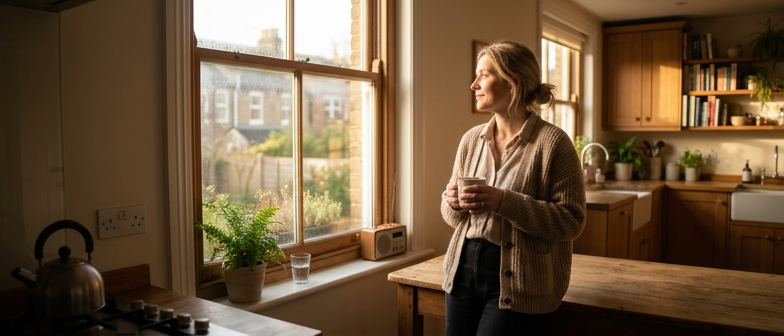
This story is part of DailySeekers's practical reading library across everyday topics.
How Early Light Steers Sleep, Alertness, and Daily Rhythm
When light reaches your eyes early in the day, your body gets a clear message: it is time to be awake. Light‑sensitive cells in the eye send signals to the brain’s internal clock, telling it that the active part of the day has begun. This clock adjusts processes that influence when you feel sleepy and how alert you are.
Morning brightness helps lower melatonin, a hormone that supports sleep, and supports a rise in cortisol. In a balanced pattern, cortisol goes up in the first hours after waking and then gradually goes down later. This rhythm is linked with feeling more awake earlier in the day and winding down more naturally at night. When this timing drifts, energy dips, foggy focus, and irregular sleep times become more likely.
Spending time outside soon after waking seems especially helpful. Natural light in the earlier hours gives a stronger signal to the internal clock compared with common indoor lighting. Over time, a regular habit of early light can bring your preferred sleep time closer to the schedule you need to keep. Many people notice that they drift off more easily and wake feeling clearer when this cue shows up at roughly the same time each day.
Light is only one part of the picture, but it works together with a steady sleep schedule, regular meals, easing up on caffeine later in the day, and reducing bright screens close to bedtime. Using early light as a daily anchor is a simple way to support more predictable sleep and steadier alertness.
From Bedroom to Doorstep: Making First Light Simple
Tiny steps that shorten the gap from waking to daylight
A realistic morning routine starts before you actually go outside. The aim is to shrink the gap between opening your eyes and seeing real daylight.
Keep curtains or blinds easy to open from the bed or from where you first stand up. As soon as you wake, open them wide and let as much natural brightness in as possible. This starts sending a clear signal to your internal clock and nudges hormones toward a daytime pattern.
Prepare the night before. Put warm layers and shoes within easy reach so stepping out, even briefly, feels simple. Place your phone away from the pillow or on the far side of the room so you are less tempted to lie in the dark and scroll, and more likely to move toward the window or door instead.
Outdoor moments you can actually keep doing
You do not need a long workout or a perfect, multi‑step ritual. Short, regular exposure tends to matter more than long, occasional sessions.
Move something you already do indoors to the doorstep: drink your first coffee, tea, or glass of water outside, on a balcony, or by an open door. Even several minutes of natural light can support clearer energy earlier in the day and may help sleep later. If you have a dog, turn that first quick walk into your light anchor: leave headphones inside and add a few extra minutes to pause and look around.
On busy or cloudy days, still step out briefly. Stand on the porch or sidewalk, look toward the brightest part of the sky (not directly at the sun), and take a few slow breaths. The habit works best when it is consistent and easy enough that you can keep doing it most mornings.
| Situation at wake‑up | Simple way to add natural brightness |
|---|---|
| Rushing to get ready for work | Open blinds, drink water or coffee by the brightest window for a few minutes |
| Caring for kids or pets | Turn their first snack or walk into your shared outdoor light time |
| Working from home | Take your first messages near an open window or door |
Pairing Light With Coffee, Movement, and Quiet Time
Shifting coffee time into brighter spaces
Instead of drinking the first cup in the darkest corner of the kitchen, bring it to a window or step outside for a few minutes. Spending a short period in morning light can help set the body clock and support more stable energy later in the day. Indirect light is enough.
Caffeine timing can play a role as well. Sipping slowly while the environment brightens gives the brain two gentle wake‑up cues at once: light and a modest dose of stimulation. People who are sensitive to caffeine can keep the amount small and still benefit. Others may choose a non‑caffeinated drink and still gain from the light signal itself.
Linking gentle movement and quiet moments with daylight
Light stretching, a relaxed walk, or a few yoga poses pair naturally with early brightness. Short sessions are usually enough; even a brief stroll outside can be helpful when it happens most days. Movement increases blood flow and works together with light exposure to support alertness.
Quiet time fits easily into the same window. Some people like to jot down a few notes about the day, while others simply sit, breathe, and notice the surroundings. The key is to keep screens in the background so that natural brightness is the main signal. One simple pattern is: drink water, step into the light, move gently, then sit for a few calm breaths before opening messages or work tools.
Over time, this cluster of actions can give mornings a predictable structure. The point is consistency: a few repeatable steps that your body can learn to expect.
| Preference | How to fold light into that style |
|---|---|
| Enjoys quiet reflection | Sit outdoors or by a bright window for journaling or simple breathing |
| Likes to move right away | Turn an easy walk or stretch routine into your main morning light time |
| Needs to check messages early | Do the first check‑in near a window with curtains fully open |
Keeping the Ritual Steady on Busy Days and in Darker Seasons
A “good enough” version for crowded mornings
On packed days, the goal is a repeatable ritual. Morning brightness works like a daily time‑stamp for your internal clock.
Instead of aiming for a long, slow routine, create a short “minimum dose” that feels realistic. That might be stepping outside with your drink, taking a quick call while you walk around the block, or standing by the brightest window while you review your schedule. If going out first thing feels impossible, open curtains wide and sit near a window while you check messages, eat breakfast, or plan your tasks. Indoor light is usually weaker than outdoor light, but regular exposure still helps reinforce a wake‑up rhythm.
It can help to decide in advance what your fallback version looks like, such as two minutes on the doorstep and five near a window.
Adapting to clouds and lower‑light seasons
Cloudy skies still provide strong light cues, even if the sun is hidden. On overcast days, stay outside a bit longer than you would on bright days, or choose a spot with a wide view of the sky.
During seasons with later sunrises or shorter days, timing becomes more flexible. You might aim to catch the brightest part of the morning, even if that lands closer to mid‑morning than to wake‑up time. Keeping the same general window each day helps your body learn the pattern, even when sunrise times shift.
When natural light is very limited, some people explore using a dedicated light therapy device in the earlier part of the day. Because eyes and mood are sensitive areas, checking in with a health professional before starting any device‑based routine is a sensible step, especially for anyone with existing eye conditions or mental health concerns.
Simple planning also makes the habit more durable: lay out warm clothes the night before, choose a short walking route you can manage most days, or tie light time to something that already happens, like feeding a pet or starting the coffee maker. The more your routine fits smoothly into daily life, the more likely it is to last through busy stretches, cloudy spells, and changing seasons.
Q&A
-
How does a Healthy Morning Sunlight Habit actually support circadian rhythms?
A consistent Healthy Morning Sunlight Habit gives your brain a strong daily time cue, helping the circadian system lock onto a stable 24‑hour pattern. This improves the timing of hormone release, core body temperature, and digestion, which in turn supports predictable sleep, clearer thinking, and more reliable appetite and energy waves. -
What are the Circadian Support Basics someone should know before changing their routine?
Circadian Support Basics include anchoring wake and sleep times, getting bright light early and dimmer light at night, keeping regular meal timing, and avoiding large swings in weekend schedules. When these signals line up, the internal clock runs more smoothly, making small habits like morning light far more effective and sustainable. -
In what ways are Mood And Energy Links tied to morning light and Daily Light Exposure?
Daily Light Exposure affects brain regions involved in mood regulation, so low light can worsen irritability or low motivation. Steady morning light is associated with better daytime alertness, reduced “afternoon crash,” and in some studies fewer depressive symptoms, especially in winter, by stabilizing circadian timing and supporting neurotransmitter balance. -
How can an Outdoor Walk Benefit people who already feel chronically wired or tired?
An Outdoor Walk Benefit comes from combining light, movement, and mild sensory novelty. This trio gently raises alertness without heavy stimulation, helps discharge physical tension, and promotes more robust sleep pressure later. For wired‑and‑tired people, short, calm walks are often more regulating than intense workouts or extra caffeine jolts. -
Why does a Screen Free Wake Up improve Morning Routine Consistency and long‑term sleep health?
Screen Free Wake Up reduces early blue‑light glare and emotional triggers from messages, leaving space for light, movement, and simple planning. This calmer start is easier to repeat, turning the routine into an automatic habit. Over months, that consistency reinforces circadian timing, improving both sleep continuity and daytime resilience.