
Recovery After Exercise: From Hydration to Sleep, Small Habits That Change Your Next Workout
Muscles don’t grow while you’re still breathing hard in the gym; they change in the quiet hours afterward. The way you cool down, drink, eat, move, and sleep after training decides whether today’s effort shows up as strength, comfort, and energy tomorrow, or lingers as tightness, fatigue, and “why does everything hurt?” questions.
This story is part of DailySeekers's practical reading library across everyday topics.
What Your Muscles Are Doing After Training Stops
Micro‑damage, fuel use, and rebuilding
Once you put the weights down or finish a hard run, the muscles you used are slightly battered in a useful way. Strength and power work create tiny tears in muscle fibers; challenging endurance work also stresses them and the tissues around them. This stress is what signals the body to rebuild.
Working muscles also use up a portion of their stored carbohydrate, called glycogen. That is one reason legs can feel heavy after hill repeats, or your grip fades on the last sets: the tissue is mildly damaged, and the local fuel tank is partly drained.
Over the next hours and days, your body turns on repair mode. Muscle protein synthesis ramps up, patching those tiny tears with new proteins. Glycogen stores gradually refill as you eat and rest. Full recovery from a demanding session can range from roughly a day to several days, depending on how hard you trained and how used you are to that type of work.
Soreness signals and the “quiet work” of recovery
A deep, dull ache that shows up a day or two after a new or tough session is common. This delayed soreness can be uncomfortable, but it does not automatically equal a better workout or bigger gains.
While that stiffness fades, the body is working to rebalance fluids, calm the nervous system, and bring hormones and temperature back toward their usual range. Regular meals with protein and carbohydrates, steady drinking, and enough sleep make this rebalancing smoother.
Gentle movement can also help. Easy walking, relaxed cycling, or light swimming encourages blood flow without asking the muscles to push hard again. If discomfort is sharp, one‑sided, or keeps getting worse instead of slowly easing, that is usually a sign to reduce load on that area and give it more time before another heavy session.
Drinks, Food and Simple Patterns That Support Repair
Fluids that quietly do the heavy lifting
After a challenging session, many people find that starting with fluids is easiest. Muscles are low on energy, the body has often lost some fluid through sweat, and the stomach may still be settling from effort.
For shorter, less intense workouts, plain water is usually enough. When sessions are longer or noticeably sweaty, water plus a small amount of salt, or a simple electrolyte drink, can help replace what was lost in sweat. Slow, steady sipping over an hour or two is usually kinder to the body than rapidly downing a large bottle.
A drink that combines protein and carbohydrates can be useful in the early phase after training. Options include milk, smoothies made with yogurt and fruit, or a basic protein shake blended with a piece of fruit. Protein provides building blocks for muscle repair, while carbohydrate supplies energy and helps top up glycogen.
Snacks and meals that turn effort into progress
Once drinking feels comfortable, a light snack or basic meal within the first hour or so can help nudge the body further into rebuilding mode.
The most helpful pattern is simple: combine a source of protein with a source of carbohydrates. Examples include yogurt with berries and some oats or granola, or whole‑grain toast spread with nut butter and topped with sliced banana.
For a more substantial meal, it can help to picture three parts on the plate:
- a protein source;
- a carbohydrate source;
- color from plants.
Everyday combinations might look like poultry with rice and leafy greens, scrambled eggs with vegetables on toast, or a bowl of mixed fruit topped with yogurt and seeds. Colorful plant foods bring a range of nutrients, while foods like avocado, nuts, or certain oils provide unsaturated fats that fit well into an overall pattern that supports recovery.
Eating this way does not need to be flawless after every single workout. Repeating a basic pattern of fluids plus protein plus carbohydrates after demanding sessions gradually supports strength and endurance gains over time.
| Situation after training | Helpful fluid choice | Extra note |
|---|---|---|
| Short, low‑intensity workout | Plain water | Drink according to thirst over the next couple of hours |
| Long or very sweaty session | Water with a pinch of salt or an electrolyte drink | Aim for steady sipping rather than gulping a large amount at once |
| Hard strength or interval session | Drink with both protein and carbohydrate | Can double as an early snack while appetite returns |
Cooling Down, Staying Loose and Using “Active Rest”
Gentle cooldown: shifting from high gear to low
When the last set or final sprint ends, your body is still in “go mode”: heart rate raised, breathing deep, muscles primed to work. A short cooldown helps you transition to rest more smoothly.
One approach is to keep moving for a few minutes at a much lower intensity: slow walking after a run, very easy pedalling after hard intervals, or light bodyweight drills after strength work. Breathing should gradually move toward a calm, conversational pace.
Stretching can fit into this window, but it does not need to be intense or painful. The aim is less about forcing a muscle to lengthen and more about signalling to the nervous system that the demanding part of the session is finished. Simple positions that feel comfortable and are held for relaxed breaths often work better than aggressive stretching you have to grit your teeth through.
Pairing this with early hydration and a small snack containing both carbohydrates and protein rounds out a basic routine that supports the body without relying on special products or extreme methods.
Light movement on easier days
Feeling stiff the next morning is common, especially after you increase weight, distance, or speed. It can be tempting to avoid movement altogether, but very light activity often helps muscles feel fresher.
Helpful options include easy walking, gentle cycling, relaxed mobility flows, or simple bodyweight movements through a comfortable range of motion. The key is to stay well below the intensity of your main training: you should finish these sessions feeling looser, not more tired.
This approach is often called “active rest”. It is not another workout to conquer; it is a way of staying in motion so blood keeps circulating and joints keep moving without adding much additional fatigue.
| How you feel today | Gentle option | When to be cautious |
|---|---|---|
| Mild, even stiffness on both sides | Short walk, light mobility, easy cycling | Keep intensity low and focus on relaxed breathing |
| Noticeable fatigue but no sharp pain | Very short, low‑effort movement or a full rest day | Shorten or skip planned hard sessions |
| Sharp, localised or worsening pain | Rest the area and reduce load | Consider seeking individual advice if it does not ease |
Evenings, Sleep, and Planning Easier Days
Setting up evenings for better repair
The few hours after training quietly shape how tomorrow’s body will feel.
Start with a brief cooldown if you have not already: a few minutes of easy walking or slow jogging, followed by slower walking until your breathing settles. Add a couple of stretches that feel genuinely good, such as gentle hip openers, a forward fold, or resting on the floor with legs supported up a wall or on a cushion.
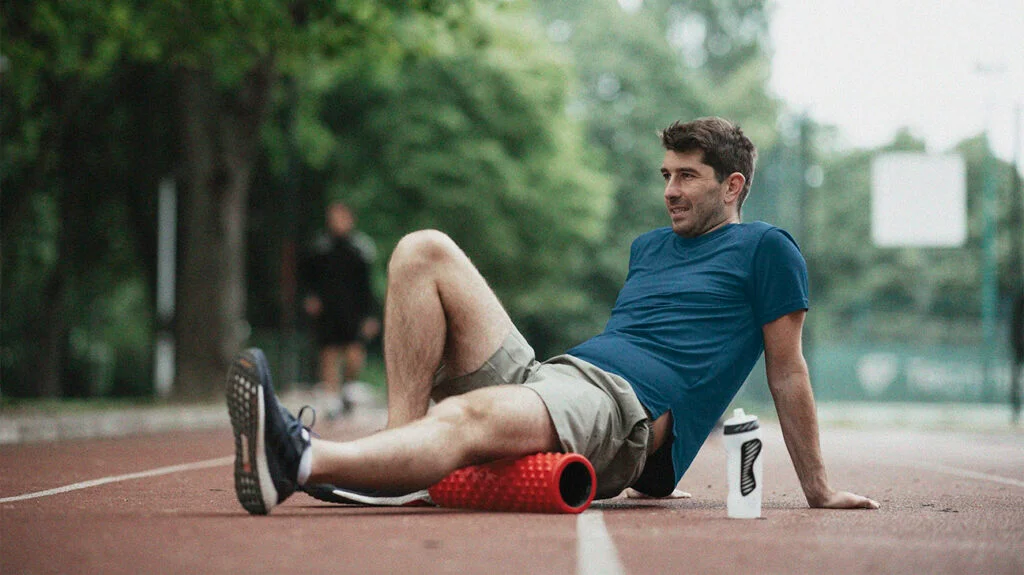
Follow this with a balanced meal that includes protein, some carbohydrate, and colorful plants. Continue sipping water, or an electrolyte drink if you lost a lot of fluid earlier, until your thirst feels satisfied. Simple self‑care such as a warm shower, a few minutes of self‑massage, or unhurried foam rolling can help ease tight spots. A short, focused session often works better than trying to fit in a long list of techniques.
Sleep ties this all together. Treating a regular bedtime and a calmer pre‑sleep routine as part of your training plan can pay off in how you feel during the next day’s workout. Many people find that a darker, quieter, and slightly cooler room, along with limited screens in the last hour, makes it easier to fall and stay asleep.
Using easy days so your body can adapt
An easier day is not a wasted opportunity; it is often when the body catches up to the work you have asked it to do. Planning these days on purpose makes demanding sessions more productive and less draining.
On days marked as easy, keep moving but reduce intensity: relaxed walks, gentle bike rides, and low‑effort mobility or stretching can all fit here. This encourages blood flow and helps clear by‑products of hard effort without placing large new demands on your system.
Looking at your week as a whole also helps. If you know that one or two sessions will be especially demanding, placing lighter sessions or full rest before and after them can make those key workouts feel more effective. When life adds extra stress or your sleep drops, it is reasonable to shift a hard session, shorten it, or swap it for something gentler rather than forcing the original plan.
Over time, this more flexible approach tends to support better consistency, lower risk of feeling constantly run‑down, and a higher chance that you walk into each session feeling prepared instead of already exhausted.
Q&A
-
How should I approach recovery after exercise if I train several days in a row?
If you train on back‑to‑back days, think in 24‑hour cycles: prioritize hydration after activity, a protein and carb balance in every meal, and at least one short gentle cool down daily. Rotate muscle groups, schedule one lower‑intensity day between heavy sessions, and monitor soreness awareness tips to decide when to back off. -
What does smart hydration after activity look like beyond just drinking water?
Hydration after activity means replacing both fluid and electrolytes at a pace your stomach tolerates. Combine water with small amounts of sodium, especially after long or hot sessions, and include fluids that carry protein and carbohydrates when appetite is low. Check urine color, thirst, and next‑day energy as practical feedback markers. -
How can I balance protein and carbs to actually support muscle repair and performance?
Aim for regular protein and carb balance instead of chasing a single “perfect” snack. Include a palm of protein and a cupped handful of carbs within two hours after training, then repeat that pattern in later meals. Use denser carb sources on heavy days, and slightly tilt toward extra protein on lighter or rest day planning. -
What counts as a truly gentle cool down instead of just more training?
A gentle cool down should feel like downshifting, not extending the workout. Keep movement easy enough to hold relaxed conversation, avoid big spikes in heart rate, and limit stretching to positions that feel soothing. Ten minutes is usually plenty; if you finish feeling more wired, you likely pushed the cool down too hard. -
How do sleep for muscle repair and rest day planning fit with soreness awareness tips?
Combine sleep for muscle repair with deliberate rest day planning by protecting at least one full rest or active‑rest day weekly and aiming for consistent bedtimes. Use soreness awareness tips as a filter: mild, even soreness means you can move gently; sharp, growing, or one‑sided pain signals the need for extra rest and possibly professional assessment.